Mobile World Congress 2026 closed its 20th anniversary in Barcelona with 105,000 attendees from 207 countries, and the participation of 2,900 exhibitors and 1,700 speakers.
Not even geopolitical tensions and flight cancellations dampened an edition that, under the slogan ‘The IQ Era’, addressed how AI, advanced connectivity and digital infrastructures are redefining the future of technology.
Here are five trends that caught our attention:
1. Digital butlers: AI agents are here
The main trend at MWC 2026 was the evolution of AI towards systems capable of acting autonomously. This is known as ‘agent-based AI’, in which digital agents act as digital butlers, interacting with various apps to manage meetings, emails or bookings autonomously without user intervention.
However, questions also arise about the privacy and cybersecurity of agentic AI, as these agents access personal data in order to operate. For his part, Arthur Mensch, founder of Mistral AI (the European alternative to ChatGPT), has called for taking advantage of the opportunities offered by this more accessible AI to boost the EU’s technological sovereignty, one of the areas where it lags behind the US and China. The Spanish government has already announced that it will allocate €100 million to this effort.
2. The slowdown of 5G and the race for universal connectivity
As usual, MWC 2026 took the pulse of developments in telecommunications networks. While planning for the arrival of 6G around 2030, the GSMA warns of the uneven rollout of 5G in Europe compared to the US or China. Fragmentation of the European market, with nearly 200 operators, is slowing development.
On the other hand, the sector is moving towards universal connectivity with the integration of terrestrial and satellite networks. SpaceX President Gwynne Shotwell explained how Starlink’s alliance with mobile operators will eliminate the last areas without coverage on the planet. This hybrid connectivity is part of the so-called non-terrestrial networks, which seek to extend internet access even to the most remote regions, or in the middle of the ocean.
3. Robots are starting to live alongside humans
While previous editions discussed the application of robotics in areas such as industry, logistics and defense, this edition focuses on robots that interact with people.
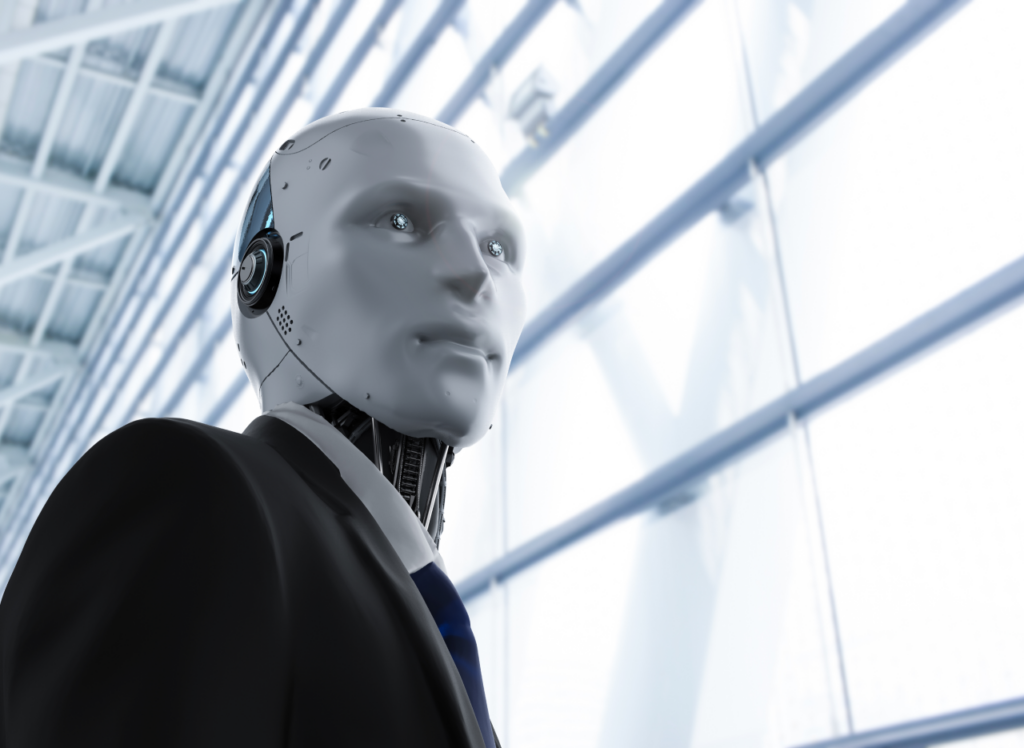
Companies such as Agibot presented robots designed to interact with users in public spaces, shops and airports. Using AI and advanced sensors, these robots interpret their surroundings and communicate naturally. The sector expects them to soon become commonplace in areas such as customer service and elderly care.
At the same time, some companies are exploring new forms of emotional interaction with these technological devices. ZTE, for example, unveiled iMoochi, a smart pet that uses sensors and machine learning to respond to the user’s gestures and stimuli, exploring the potential of robotics as a companion animal.
4. Smartphones are becoming increasingly intelligent and autonomous
Another notable trend at MWC 2026 is the shift of AI from the cloud to mobile devices. Companies such as Samsung have demonstrated how this integrated AI will enable devices to anticipate needs, automate everyday tasks and learn from user behaviour to provide faster responses.
In the near future, AI will also enable different devices to work in coordination, from mobile phones to extended reality glasses and smart headphones. The manufacturer Honor has gone even further by introducing the first Robot Phone, whose camera incorporates a mini robotic arm that follows you as you move. This opens the door to a new generation of smart devices that can interact with the physical world.
In computers, the big leap forward will come with quantum computing. IBM unveiled a prototype at the conference, and Telefónica believes it will be key to boosting cybersecurity.
5. Startups and talent: the other driving force
Beyond the big tech companies, entrepreneurship once again took centre stage. The 4YFN event, which has been held since 2014 in parallel with the congress, brought together more than 1,000 start-ups seeking investment. This year, the forum focused on Health Tech and the sustainability of start-ups, featuring 300 speakers and investors managing $70 billion.
Added to this is the Talent Arena, organised by Mobile World Capital Barcelona, which brought together more than 25,000 attendees interested in finding training and professional opportunities in the digital sector. In its second edition, this parallel event grew by 25% compared to the previous year, and had a notable international presence, reflecting Barcelona’s growing role as a European hub for technological talent.